Care for the things you love.
Plant Care
-
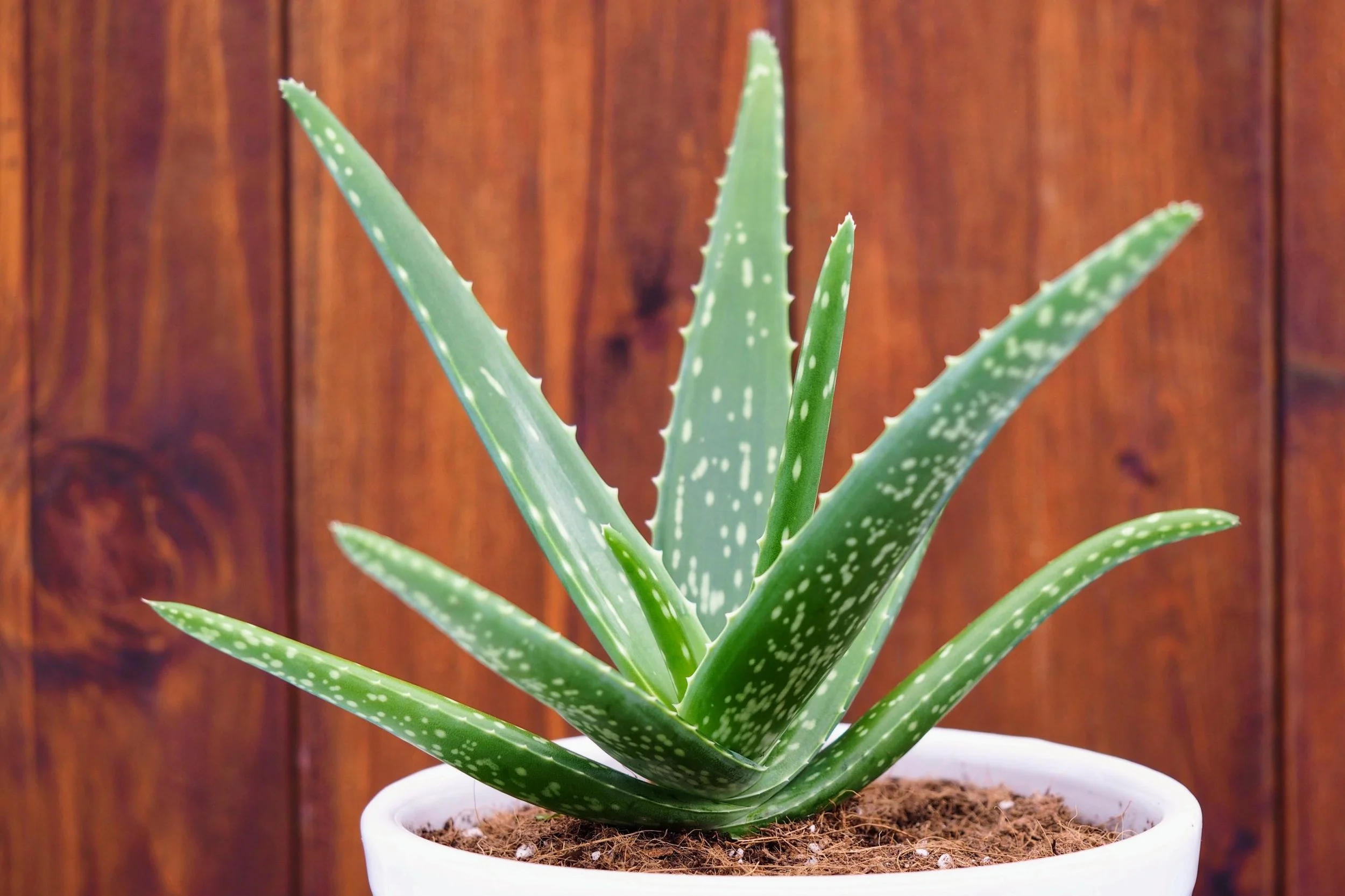
Aloe Vera
BOTANICAL NAME
Dracaena trifasciata.
LIGHT NEEDS
Widest possible view of the sky + 0-4 hours of direct sun is tolerable.
WATERING NEEDS
Water when soil is completely dry.
-
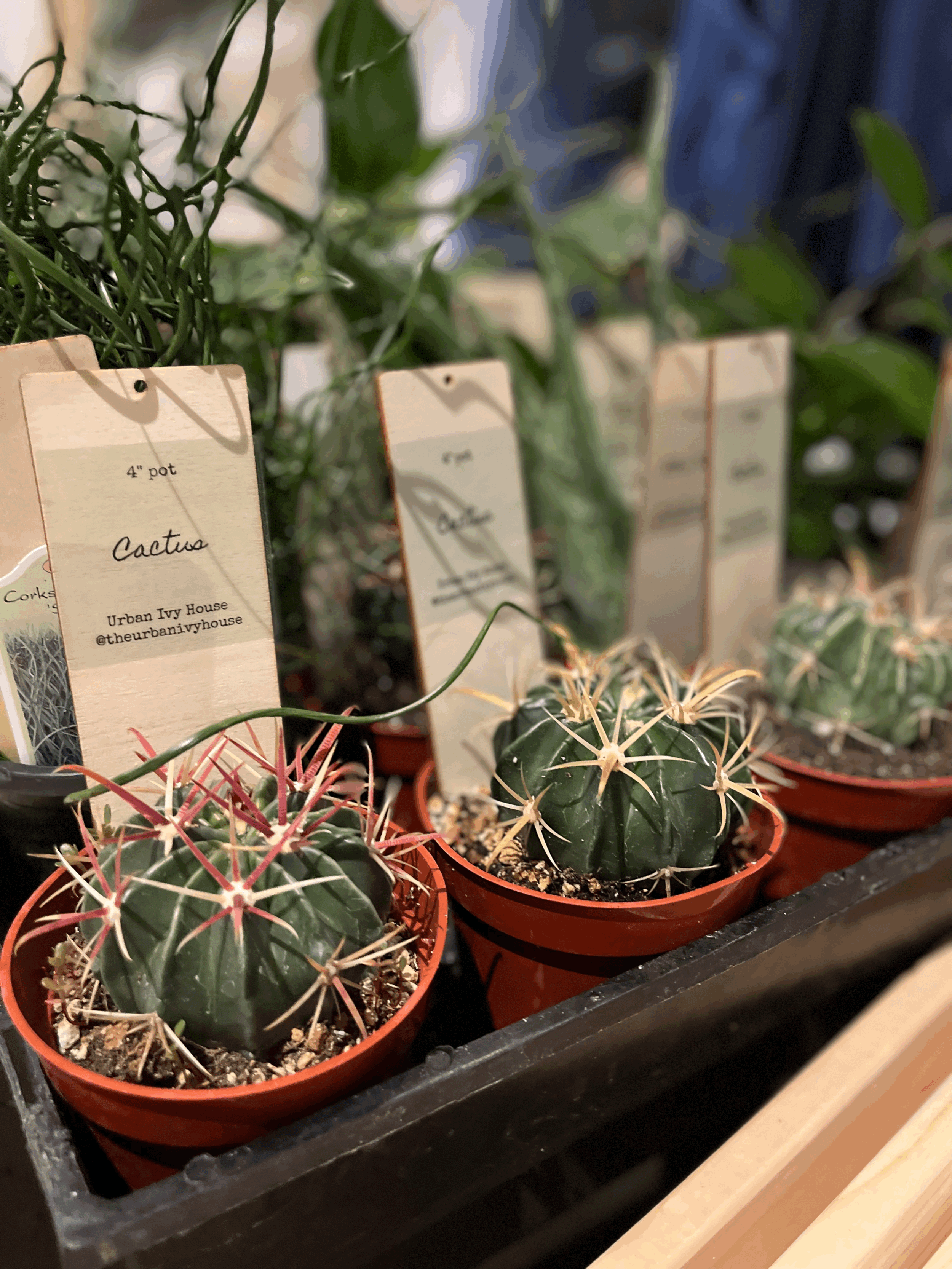
Cactus
Water these plants at least once a week. But you have to check whether the soil is dry or not before watering. Get a rod or a stick and insert it into the soil. If the stick comes out moist, then you don’t need to water your plant yet.
-
Hoya Australis
COMMON NAME
Wax plant.
BOTANICAL NAME
There are many species within the Hoya genus.
LIGHT NEEDS
Widest possible view of the sky + 2-4 hours of direct sun is tolerable.
WATERING NEEDS
Water when soil is completely dry.
-
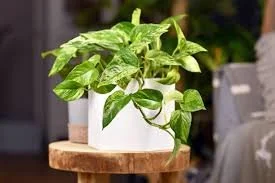
(ALL) Pothos
Pothos likes sun or shade, but you need to watch if it's in too much of either one. When grown indoors, pothos prefers bright but indirect light. Variegated plants sometimes lose their leaf pattern and revert to all-green foliage if they don't receive enough light. Moving them to brighter conditions usually restores the variegation. Suddenly pale-looking leaves mean the plant is receiving too much sun.
Water
A pothos plant likes to have its soil dry out completely between waterings. If left in continually damp soil, the plant's roots will rot. Black spots on the leaves (or the sudden collapse of the plant) indicate that the soil has been kept too wet.2 The plant will indicate when it needs water. When it starts to droop, it needs water. However, don’t wait until the leaves start to shrivel or the plant will lose some leaves. Dry, brown edges mean the plant was kept dry for too long.
Temperature and Humidity
Pothos should be kept in temperatures that are consistently above 50 degrees Fahrenheit, though they most appreciate a common room temperature that hovers between 65 and 75 degrees Fahrenheit.
-

Silver Ann Pothos
Sunlight
Thrives in medium to bright indirect light, but can tolerate low indirect light.
Water
Water every 1-2 weeks, allowing soil to dry out between waterings. Expect to water more often in brighter light and less often in lower light.
Humidity
Any humidity level will do.
Temperature
Average home temperature of 65°F-75°F. It’s best not to let it go below 60°F.
-
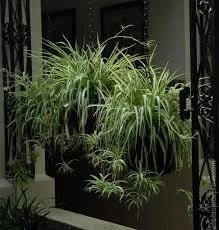
Hawaiian Spider
COMMON NAME
Spider plant.
BOTANICAL NAME
Chlorophytum comosum.
LIGHT NEEDS
Widest possible view of the sky + 2-4 hours of direct sun is tolerable.
WATERING NEEDS
Water when soil is partially dry. The foliage will turn slightly more pale when the soil is critically dry: this is a sign to water immediately!
-
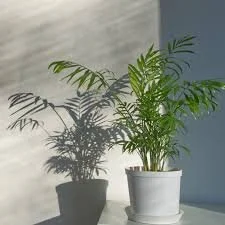
Chamaedorea Palm
Temperature
It is recommended to maintain a minimum temperature of 18 degrees Celsius during the day and 12 degrees Celsius at night.
Spraying
It is certainly advisable to spray the Chamaedorea regularly. If this is not done, the plant is extra sensitive to spider mites. Spray the plant twice a week to prevent this.
Watering
Make sure that the soil of the Chamaedorea always remains moist but is not completely submerged. If there is too much water in the soil, the roots will rot and if there is too little water in it, it can also be harmful for the plant. It is advisable to buy a humidity meter for this plant. Water once or twice a week in summer and once every two weeks in winter.
-
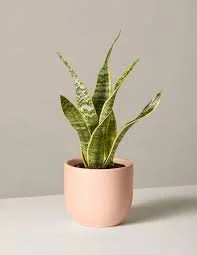
Snake Plant
Thrives in medium to bright indirect light, but can tolerate low indirect light.
Water every 2-3 weeks, allowing soil to dry out between waterings. Expect to water more often in brighter light and less often in lower light.
You might be surprised to know the Snake Plant is a drought tolerant succulent.
-
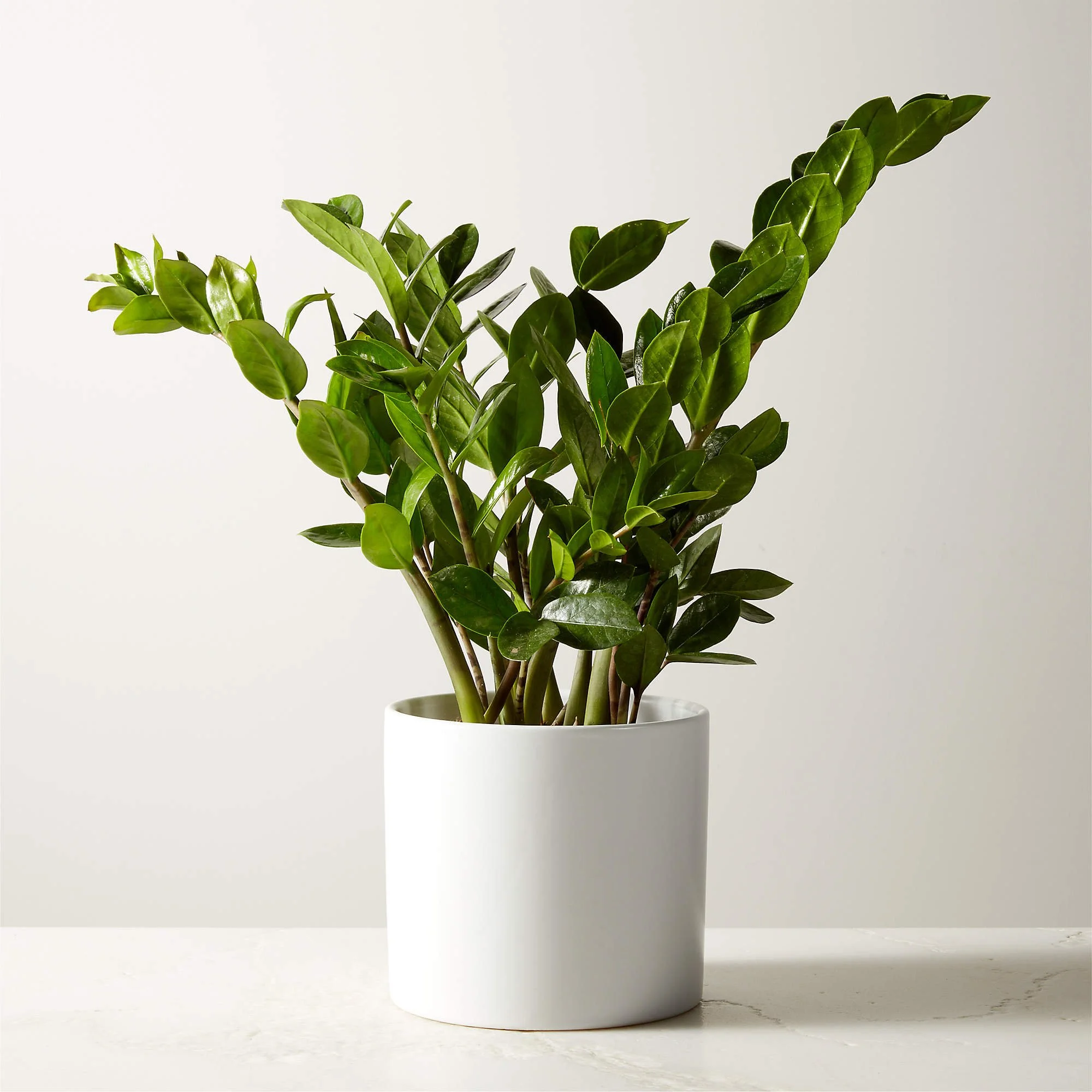
ZZ Plant
COMMON NAME
ZZ plant.
BOTANICAL NAME
Zamioculcas zamiifolia.
LIGHT NEEDS
Widest possible view of the sky + 2-3 hours of direct sun is tolerable.
Thrives in medium to bright indirect light, but can tolerate low indirect light. Not suited for intense, direct sun.
WATERING NEEDS
Water when soil is completely dry.
Water every 2-3 weeks, allowing soil to dry out between waterings. Expect to water more often in brighter light and less often in lower light.
You might spot large potato-like rhizomes under the surface of the ZZ Plant's soil. These store water to help the plant survive drought in its native habitat.
-
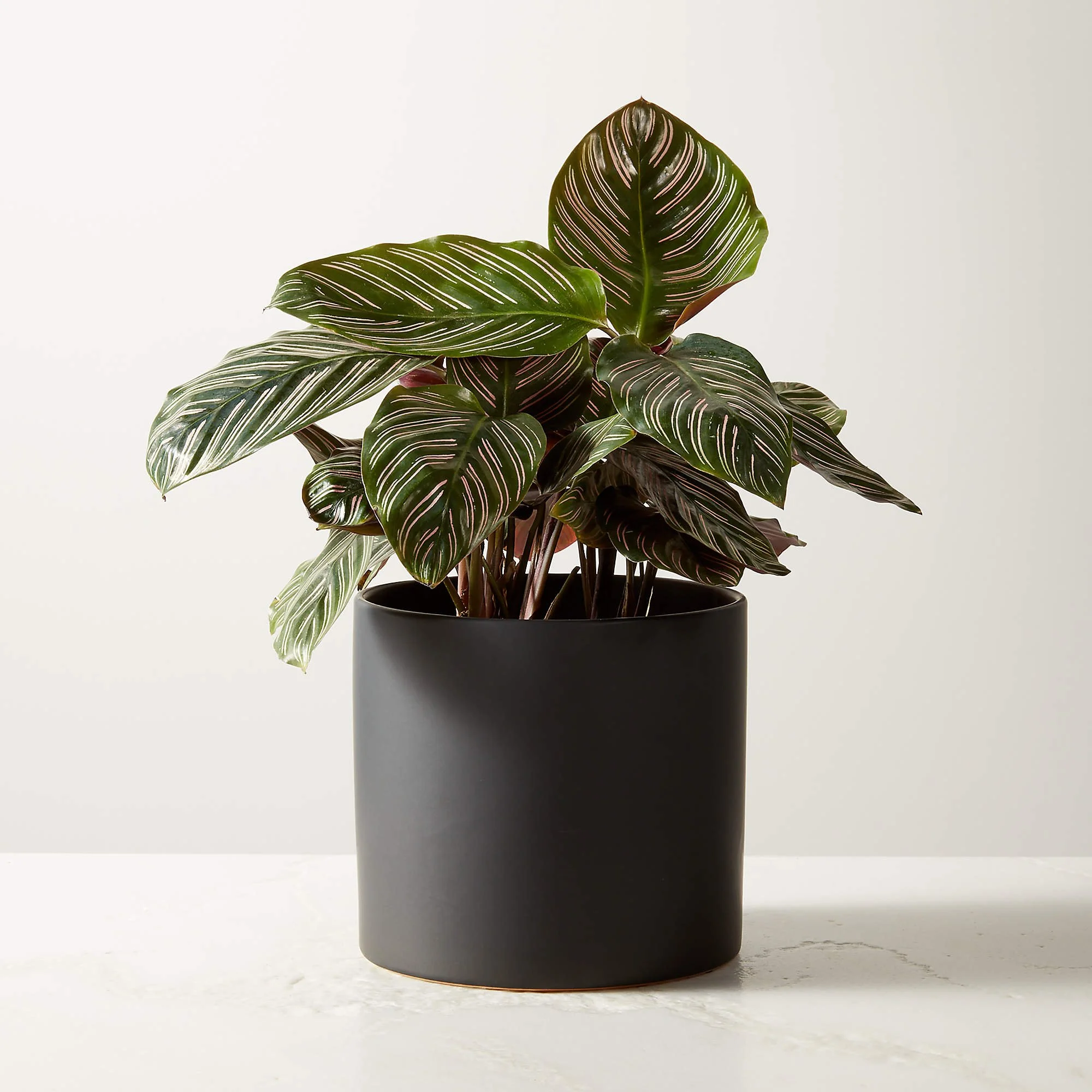
Calathea Ornata
LIGHT NEEDS
Bright indirect light
Widest possible view of the sky, but block direct sun with a white sheer curtain.
WATERING NEEDS
Water when soil begins to dry out
Keep the soil evenly moist.
Can reach up to 3 feet tall
-
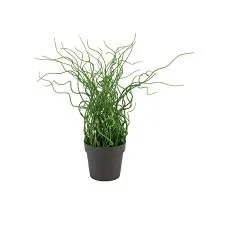
Juncus Spirialis
Water generously. Constantly wet soil is needed to keep Juncus effusus 'Spiralis' healthy and thriving. Don't allow the soil to dry out. Foliage will turn yellow then brown if it gets too dry. It's a good idea to keep your corkscrew rush plant in a pot without a drainage hole. Juncus is native to marsh areas, so it loves soggy soil -- even standing water.
Shed some light. Put your Juncus plant in your sunniest window -- or shift it outdoors for the spring and summer. It will tolerate lower light levels, but won't grow much. If you don't have a spot near a window, grow lights work beautifully.